Home/News/CSG vs LKK TNPL 2026 Match 21 fantasy combination: Chepauk numbers, 5+6 split and the captain calls for 18 August
Fantasy Combination10 min read
CSG vs LKK TNPL 2026 Match 21 fantasy combination: Chepauk numbers, 5+6 split and the captain calls for 18 August
Chepauk Super Gillies meet Lyca Kovai Kings in Match 21 of Tamil Nadu Premier League 2026 at MA Chidambaram on the evening of 18 August, a 7:30 p.m. IST start that opens the Chennai phase on a 62-percent-spin surface. The fantasy combination the fixture invites is a 2-4-2-3 split built around a 5 CSG + 6 LKK team distribution.
Editorial Notice: Fantasy sports involve skill and strategy. 18+ only.
Two recent results, two different moods before the Chennai phase
Match 21 of the Tamil Nadu Premier League 2026 lands on Monday evening, 18 August 2026, with the first ball at 7:30 p.m. IST at MA Chidambaram Stadium in Chennai. The fixture opens the Chennai phase of the tournament, and the two sides walk in with very different recent weights on their shoulders.
Chepauk Super Gillies arrive on a 39-run win over Siechem Madurai Panthers. The result pushed CSG to third place on the table. Lyca Kovai Kings arrive on a 116-run hammering of Trichy Grand Cholas, an innings powered by Balasubramaniam Sachin's 77 off 45 balls. The two teams are not approaching the contest in the same form, and the combination logic for fantasy managers should reflect that.
Both captains are wicketkeeper-batters. N Jagadeesan leads CSG and keeps the gloves. M Shahrukh Khan leads LKK and bats at No. 3. The head-to-head over the last five meetings splits 2-2 with one no result, and recent form is a mirror image: CSG's last five read W, W, W, L, L; LKK's last five read W, L, L, L, W. The teams split into the Chennai phase on a knife-edge, and the combination alone cannot decide the match-up. The pitch can, and the numbers from MA Chidambaram this season are unusually clear.
The MA Chidambaram numbers point to spin and to batting second
The most useful starting point for a fantasy combination is the venue profile, not the team sheet. The Chennai phase resumes on a surface that has produced a clean split between bat-first and bowl-first outcomes this season. Win Batting First sits at 44 percent. Win Bowling First sits at 56 percent. The 12-point gap is the single biggest input into the combination logic.
The deck is rated Best Suited For Spinners at 62 percent. First-innings averages run around 146. Second-innings averages run around 159. The 13-run uplift in the second-innings average is the figure that fixes the combination shape: the side batting second has a structural edge, and the batters who face the most spin in the middle overs are the ones who should sit on the multiplier rather than the new-ball bowlers.
Chennai's coastal humidity suppresses heavy dew until late in the evening. The combination should still assume spin keeps its grip through the middle overs, which means the role a player takes through overs seven to fifteen matters more than the role through overs sixteen to twenty. The outfield is slow, which lengthens chases and lifts the value of straight-line power hitters over lateral improvisers. The combination brief for Match 21 is built around these three numbers, not the head-to-head ledger.
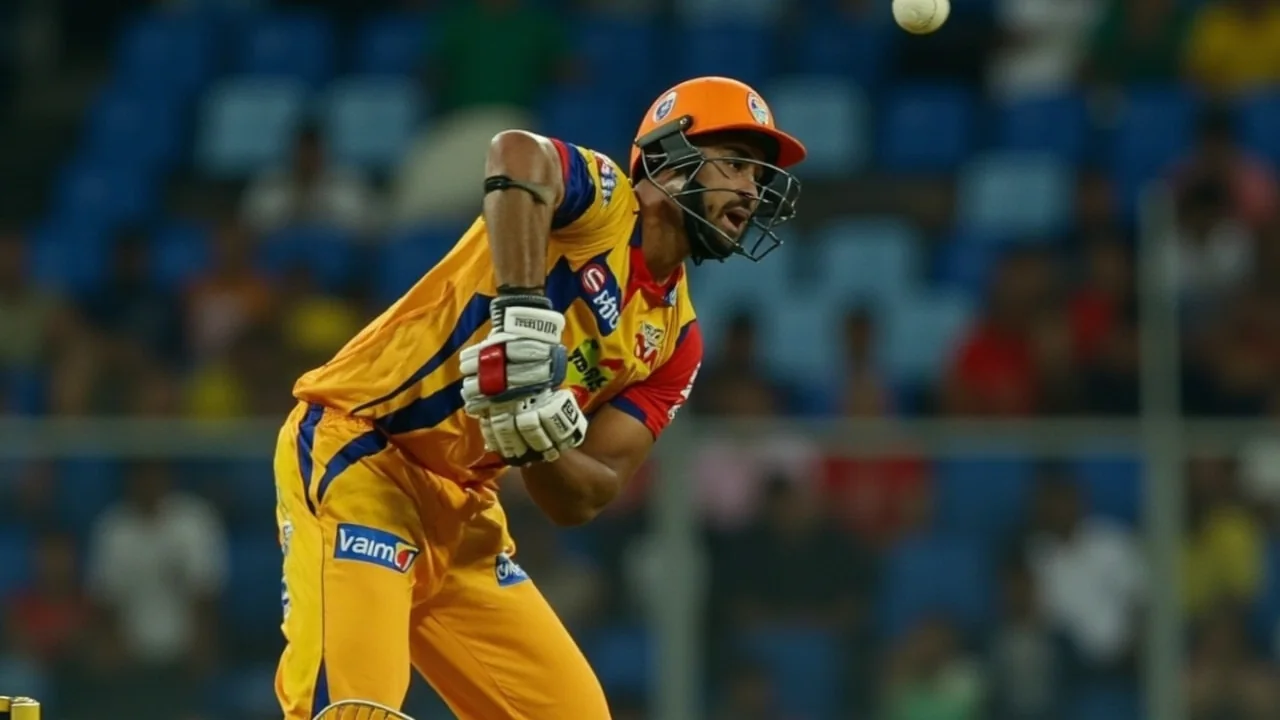
Spin match-ups in the middle overs are the single biggest input to the combination on a 62-percent-spin Chepauk surface.
The 2-4-2-3 combination with a 5 CSG + 6 LKK split
The combination structure that fits the venue is 2-4-2-3: two wicketkeepers, four batters, two all-rounders and three bowlers. The split tilts LKK because LKK's top-order batting is the form side of the fixture. A 5 CSG + 6 LKK distribution mirrors the run distribution between the two squads this tournament and concentrates the combination at the wicketkeeper, batter and seam-bowling slots where both sides have multiple viable picks.
The combination reads as follows. Wicketkeepers: N Jagadeesan (CSG) and Suresh Lokeshwar (LKK). Batters: K Aashiq (CSG), B Sai Sudharsan (LKK), Balasubramaniam Sachin (LKK) and RS Mokit Hariharan (CSG). All-rounders: Swapnil Singh (CSG) and M Shahrukh Khan (LKK). Bowlers: Abhishek Tanwar (CSG), Vignesh M (CSG) and K Deeban Lingesh (LKK).
The math behind the split is straightforward. CSG occupy the wicketkeeper, two batter, one all-rounder and three bowler slots, using five players in total. LKK take the second wicketkeeper, two batter, one all-rounder and one bowler slot, using six players in total. The split also leaves room for a free-to-play grand-league variant that swaps Tanwar for Manimaran Siddharth if the toss data lifts left-arm spin higher on the night.
A second combination worth running in a multi-entry grand league moves M Shahrukh Khan into the captaincy and Jagadeesan into the vice-captaincy, which lowers ownership on the LKK captain while keeping the safer multiplier on the CSG captain. A third variant flips the captaincy to Sachin with Swapnil Singh as vice-captain, concentrating the multiplier on the two best spin-match-up batters in the fixture. The wider captain-pick framework we weigh against every TNPL fixture lives in cricket predictions and captain picks coverage.
Captain call: Jagadeesan in cash, Aashiq in grand leagues, Sachin for differentials
The captain-pick decision for the combination runs along three lines rather than one. For small leagues and cash contests, the captain is N Jagadeesan. He opens the batting, keeps the gloves, and captains his side. Role security on a Chennai surface translates directly into consistent fantasy points, because he absorbs pressure at one end while the rest of the order takes risks at the other. The 2x multiplier sits on the safest base in the combination.
For grand leagues, the captain picks rotate. K Aashiq is the budget grand-league captain. His boundary-hitting against spin is the upside that swings grand-league teams from a top-ten finish into a top-three finish, and his tournament tally of 88 runs understates his ceiling on a Chepauk surface where 159 is the second-innings average. His salary on most fantasy platforms still leaves room for one premium differential pick elsewhere, which is the structural advantage in a multi-entry build.
For a single-match grand league with a smaller field, the cleanest 2x multiplier is Balasubramaniam Sachin. He bats at No. 4 for LKK, which means he is rarely exposed to the new ball, and he almost always faces the full spin block in the middle overs. On a 62-percent-spin surface, that combination is the fantasy gold profile. His 280 runs is the highest individual total in the tournament, and his 77 off 45 against Trichy Grand Cholas is the kind of innings that anchors an entire combination sheet.
For the vice-captaincy, the verified call is Sachin when Jagadeesan is the captain, and Shahrukh Khan as the differential grand-league vice-captain. Shahrukh's case is a low-ownership, high-ceiling play that pays off when CSG's quicks go early and the chase role lands in his hands at No. 3.
The CSG probable XI and what it offers the combination
The CSG probable XI is built around the captain pick. N Jagadeesan opens and keeps. K Aashiq opens at the other end. RS Mokit Hariharan, Swapnil Singh, Ashwanth Valthapa and Waseem Ahmed form the middle order. Swapnil Singh is the cleanest all-round pivot in this combination, with enough batting responsibility to justify a mid-salary slot and enough bowling overs to give him a second scoring path. Waseem Ahmed adds a left-handed spin option that disrupts the right-handed-heavy LKK middle order.
The bowling group is led by Abhishek Tanwar and Vignesh M. Tanwar sits on 45 runs and 4 wickets across the tournament, with new-ball responsibility that makes him a viable vice-captain option in builds that already load CSG top-order batters. Vignesh M leads CSG's wicket chart with 6 wickets and is the kind of strike bowler whose ceiling rises when the surface offers grip. M Silambarasan, Ram Arvindh and TD Lokesh Raj complete the XI, with Silambarasan and Arvindh sharing the seam-up duties through the middle.
From a combination angle, the CSG XI supports a wicketkeeper-batter (Jagadeesan) or a top-order batter (Aashiq) as the 2x multiplier. It does not support a bowler as captain, because the attack is balanced rather than dominant and the surface rewards batters through the second innings more than bowlers through the first.
The LKK probable XI and what it offers the combination
The LKK batting has been built around one batter this tournament. Balasubramaniam Sachin sits on 280 runs and swings the innings at No. 4. M Shahrukh Khan has been less consistent with the bat this tournament, but his role at No. 3 gives him boundary-hitting upside against the part-time bowling options CSG might use to break up their seam overs. The verified case for Shahrukh as vice-captain is a low-ownership, high-ceiling play that pays off when CSG's quicks go early and the chase role lands in his hands.
The LKK top order also includes S Radhakrishnan and B Sai Sudharsan. Sai Sudharsan has 92 runs and is the most technically sound opener in this fixture, the kind of batter who absorbs pressure at one end and allows Sachin to swing from the other. Andre Siddarth C and Suresh Lokeshwar complete the batting unit, with Lokeshwar offering the second wicketkeeper-batter option if combination managers prefer him over Jagadeesan in a multi-entry build.
The bowling group is led by K Deeban Lingesh, who has 5 wickets this tournament and is the most reliable wicket-taking seamer in the LKK XI. Manimaran Siddharth is the left-arm spin option that CSG's right-handed middle order will need to respect. Maan Bafna, Jhathavedh Subramanyan and RS Ambrish fill out the attack, with Ambrish offering the change-of-pace option that can break partnerships through the middle overs on a slow surface.
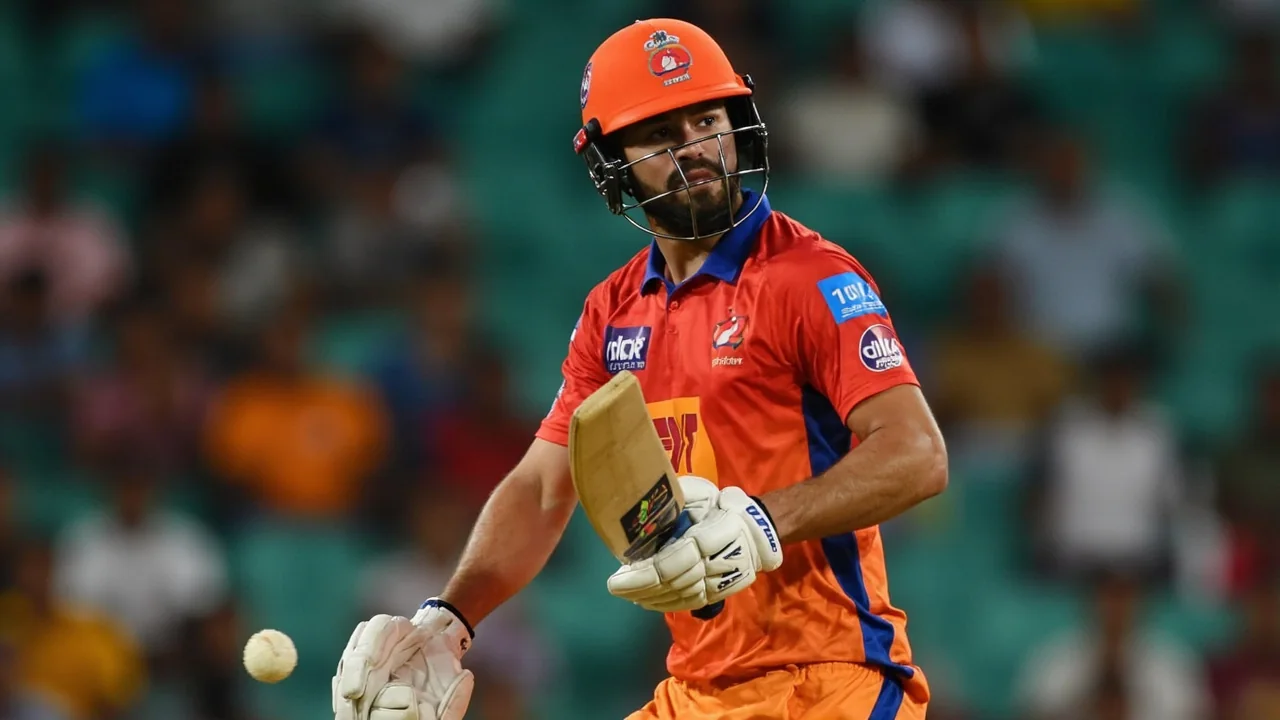
Field placements and spin match-ups dominate the tactical conversation on a 62-percent-spin Chepauk surface.
Three pre-toss checks that can reroute the combination
Three pre-toss checks decide the final combination. First, confirm both wicketkeepers start. Jagadeesan and Lokeshwar are both in the listed XIs, but a late injury to either forces a rebuild of the wicketkeeper slot and changes the captain-pick weight for cash contests. Second, verify that Andre Siddarth C retains his place at No. 3 for LKK. If he drops down the order, Shahrukh Khan's role becomes more important and his VC case strengthens. Third, read the toss against the chase lean. With Win Bowling First at 56 percent, the side batting second has a structural edge, which lifts the value of chase-role batters one tier higher.
The 7:30 p.m. start means the toss falls at around 7:00 p.m., giving combination managers a clear evening lock window. Managers who wait for the toss sheet rather than locking overnight templates will hold the cleaner edge on a ground where small role changes still move points quickly. The most important thing to do at 7 p.m. is confirm the batting order, because the combination weights above are calibrated against the listed order and any reshuffle moves the multiplier down at least one tier.
What the combination brief means for the next TNPL round
The Cricket Winner match prediction tips Chepauk Super Gillies to win, citing their dominant franchise record and the balance of an attack led by Vignesh M and Abhishek Tanwar. That lean is supported by the head-to-head over the last five meetings, where CSG hold parity rather than a deficit, and by the home advantage of opening the Chennai phase at MA Chidambaram. LKK, however, bring the in-form batter of the tournament in Sachin and the deeper spin unit, which keeps the contest live deep into the second innings regardless of the toss.
The fixture is broadcast on Sony Sports Ten 4 Tamil TV with live streaming on FanCode and the official TNPL YouTube channel. The verified source on this combination brief was published by Rohit Singh on Cricket Winner on 18 August 2026, updated at 11:15 a.m. IST. For the next TNPL round, the combination logic will shift back to whichever venue the tournament lands at after Chepauk, but the wider question of how to weight the 2x multiplier on a wicketkeeper-batter, an aggressive opener, or the in-form No. 4 will carry straight through the rest of the season.
Reader questions
When does CSG vs LKK TNPL 2026 Match 21 start?
Chepauk Super Gillies face Lyca Kovai Kings on 18 August 2026 at MA Chidambaram Stadium, Chennai, with the first ball scheduled for 7:30 p.m. IST.
What is the working combination structure for Match 21?
A 2-4-2-3 structure with two wicketkeepers, four batters, two all-rounders and three bowlers. The realistic split is 5 CSG + 6 LKK to mirror the in-form batting distribution this tournament.
Who is the verified captain pick for cash contests?
N Jagadeesan is the verified cash contest captain pick. He opens, keeps wicket and captains CSG, and role security on a Chennai surface translates into consistent fantasy points.
Who is the verified captain pick for grand-league entries?
K Aashiq is the budget grand-league captain pick. Balasubramaniam Sachin is the cleanest single-match GL 2x multiplier when field size is small and ownership on Jagadeesan is high.
What does the MA Chidambaram pitch offer for combination building?
The surface sits at Win Batting First 44 percent and Win Bowling First 56 percent, with Best Suited For Spinners at 62 percent. First-innings average 146, second-innings average 159. Chennai coastal humidity reduces dew impact.
What is the head-to-head record between CSG and LKK?
Across the last five meetings, CSG have two wins, LKK have two wins and one match produced no result. CSG's recent form reads W, W, W, L, L. LKK's recent form reads W, L, L, L, W.
Where is Match 21 broadcast?
Sony Sports Ten 4 Tamil TV with live streaming on FanCode and the official TNPL YouTube channel.