21
Jul
Aman Rao Photo Gallery: Hyderabad Opener Behind a Hundred-Day IPL Story
Hyderabad opener Aman Rao’s Vijay Hazare double-century and Rajasthan Royals deal.
On ESPNcricinfo’s YouTube channel, the former India opener locked a firm 15 for the next 50-over World Cup, kept Rohit Sharma in the mix, ruled Sanju Samson and Tilak Varma out of contention, and parked Yashasvi Jaiswal on a five-name maybe list rather than in the final cut.
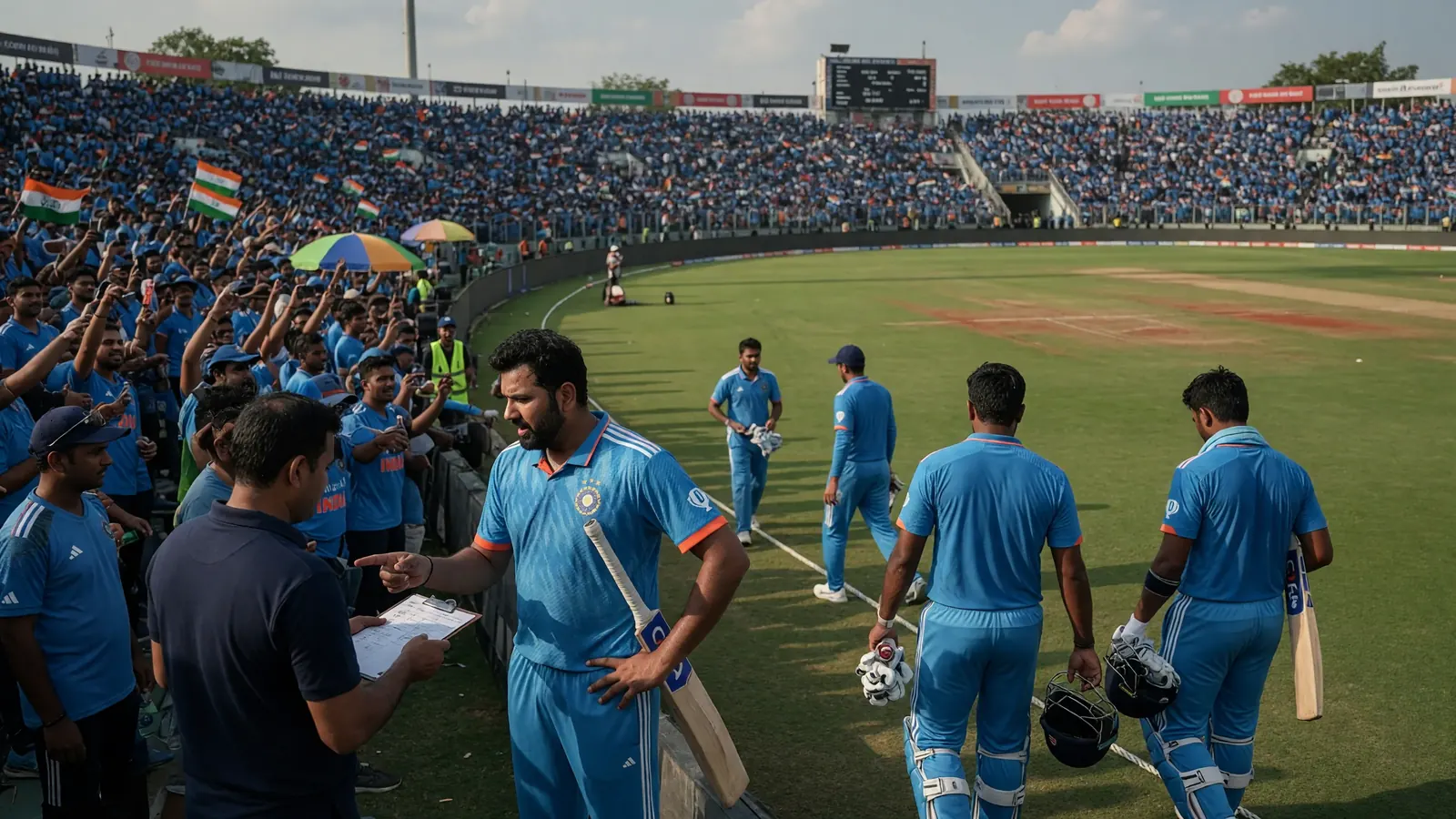
Former India opener Abhinav Mukund has put a full India plan for the 2027 ODI World Cup on the table, and the sorting is sharper than a simple in-or-out shortlist. On ESPNcricinfo’s YouTube channel he named a firm 15-man squad, then separated a second band of five “maybe” candidates from names he gave no realistic chance. The headline swing is still clear: Rohit Sharma stays inside the fifteen despite fresh speculation over his ODI future.
Mukund played seven Tests for India between 2011 and 2017. He is not a national selector, and the exercise is a personal construction rather than a Board shortlist. The structure still reads as a serious balance sheet: four specialist batters led by captain Shubman Gill, two designated wicketkeepers, three all-rounders, one specialist spinner, and a five-man pace group headed by Jasprit Bumrah and Mohammed Siraj.
That firm core is only half the story. Mukund also flagged five players who could still force their way in before the tournament, while placing Sanju Samson and Tilak Varma among the names he effectively closed the door on. For fantasy managers who price every high-strike white-ball batter the same way, the three-tier split matters more than any single snub.
The locked batting spine is compact. Mukund named Shubman Gill as captain, then kept Rohit Sharma, Virat Kohli and Shreyas Iyer. It is a top-and-middle unit stacked with ODI pedigree and ranking weight after the England series. Gill’s place is reinforced by what he just produced there: 188 runs across three matches, enough to leave him one ICC ODI batting rating point behind leader Daryl Mitchell on 802.
Kohli sat third on 767 points after the same series, with Rohit fourth on 758. India therefore had three batters inside the top five of the ODI batting table when Mukund went public. That concentration of ranking capital helps explain why he did not force a full youth reset at the top. He kept the players who still move the ICC metric and who still own middle-overs control jobs in 50-over cricket.
Iyer’s inclusion carries a second layer. He has just been appointed India’s T20I captain and also climbed two places to 13th in the ODI batting rankings. Mukund is arguing that Iyer’s white-ball form and leadership runway are strong enough to hold a middle-order seat toward 2027, even while short-format captaincy pulls attention elsewhere.
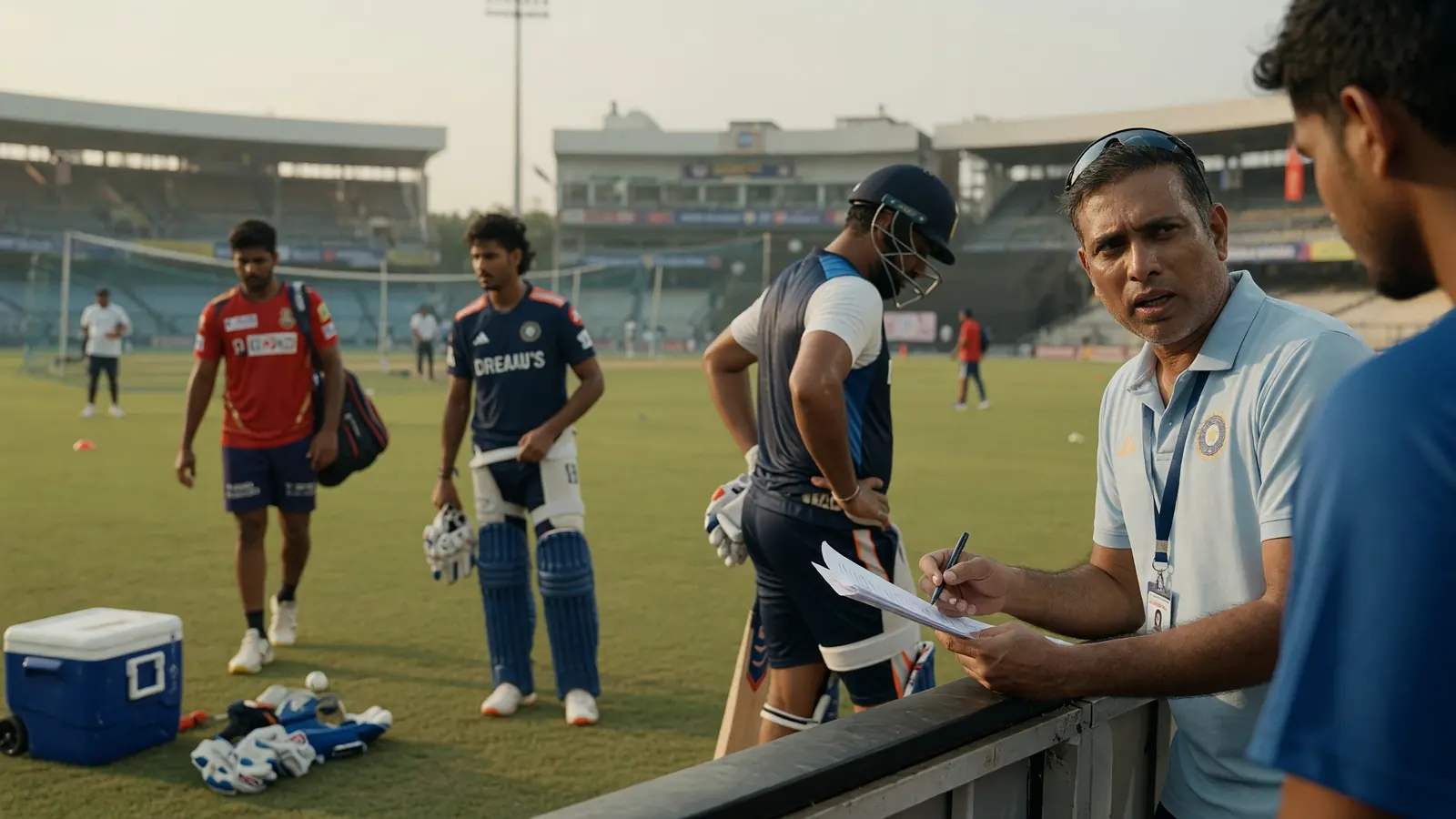
Rohit’s ODI future has been an open talking point after leadership changes and a crowded opener market. Mukund still selected him in the firm group. The ranking snapshot supports the call in performance terms: a batter sitting fourth in the world on 758 points has not fallen out of the band that usually wins World Cup selection arguments. Leaving him out would have required trading proven 50-over volume for a younger profile with a thinner ODI sample.
For fantasy readers, the implication is not that Rohit is locked for every bilateral series between now and 2027. It is that any long-range squad model that still prices 50-over upside has to treat him as a high-ceiling option until his ranking and role both collapse together. Mukund’s firm fifteen keeps that ceiling open.
The useful part of Mukund’s video is not only who made the final fifteen. It is the way he sorted the rest of India’s white-ball pool. First came the locked squad. Then came five “maybe” candidates he still sees as live contenders with more than a year to go. Only after that did he identify players he believes have no realistic path into the World Cup group on current evidence.
The five maybes are Yashasvi Jaiswal, Ruturaj Gaikwad, Nitish Kumar Reddy, Shivam Dube and Arshdeep Singh. That band mixes two openers with recent ODI centuries, two batting all-round options, and a left-arm quick who can cover death overs. Jaiswal’s placement here is the key correction to a blunt “out” reading: he is outside the firm fifteen, but Mukund did not park him with the closed cases.
Sanju Samson and Tilak Varma sit on the other side of that line. Alongside T20-heavy names such as Abhishek Sharma and Vaibhav Suryavanshi, Mukund treated them as players with no practical chance under his World Cup logic. Samson’s snub is a pure gloves-and-role call once KL Rahul and Ishan Kishan occupy both keeper seats. Tilak’s exclusion is a middle-order squeeze: the finishing and power roles are already contested by Iyer, the all-rounders and the maybe-band batting hybrids, so Mukund refused to stretch the fifteen further for another high-strike left-hander.
Fantasy managers should price those tiers differently. A maybe is a watchlist name whose ODI minutes, List A volume or injury to a locked starter can still change the math. A no-chance label under this model means the default ownership should drop unless a bilateral series or domestic run forces selectors into a different shape.
Behind the stumps, Mukund went with KL Rahul and Ishan Kishan. That pairing freezes Samson out of the fifteen and, under Mukund’s framing, out of the realistic chase as well. Samson remains a high-upside white-ball batter and a regular fantasy captaincy flirtation in T20 contests, but the ODI gloves are treated as a two-man job already filled by experience and left-right balance.
Jaiswal’s case is different. He remains an opener with aggressive powerplay credentials, yet Mukund’s firm top order already holds Gill and Rohit. Rather than force a third specialist opener into a 15-man tournament squad, Mukund left Jaiswal in the maybe five with Gaikwad. That is a holding pattern, not a career verdict: if Rohit’s ODI workload thins or Gill’s opening package is rebalanced, the left-hand powerplay seat is still contested rather than closed.
Tilak’s route is harder under the same sheet. He does not keep wicket, does not open in Mukund’s model, and does not offer the bowling overs that justify an all-rounder berth. Once the middle order is built around Kohli, Iyer, Rahul and Hardik’s lower-order hitting, a pure T20 finisher needs either an exceptional 50-over sample or an injury cascade to reopen the door. Mukund’s no-chance call says he does not see that sample yet.
Mukund’s all-rounder trio is Hardik Pandya, Axar Patel and Washington Sundar. That combination covers pace-hitting lower-order runs, left-arm spin control, and a second off-spin batting hybrid. It also reduces the need for a deep specialist spin bench. Kuldeep Yadav is the only specialist spinner named in the firm fifteen.
Kuldeep slipped one place to 11th among ODI bowlers after the England series, with Rashid Khan still heading the bowling table. The ranking dip did not cost him Mukund’s sole spin berth. The selection reads as a vote for wrist-spin variation in the middle overs, with Axar and Sundar expected to supply control overs around him. Among the maybes, Arshdeep is the bowling-side pressure name rather than a second wrist-spinner, which keeps the spin ceiling deliberately thin.
From a fantasy construction angle, a squad built this way concentrates bowling points among the pacers and two frontline spin options rather than spreading them across four pure spinners. Captaincy models that automatically elevate every India spinner in subcontinental ODIs would need recalibration if the actual World Cup balance follows Mukund’s shape.
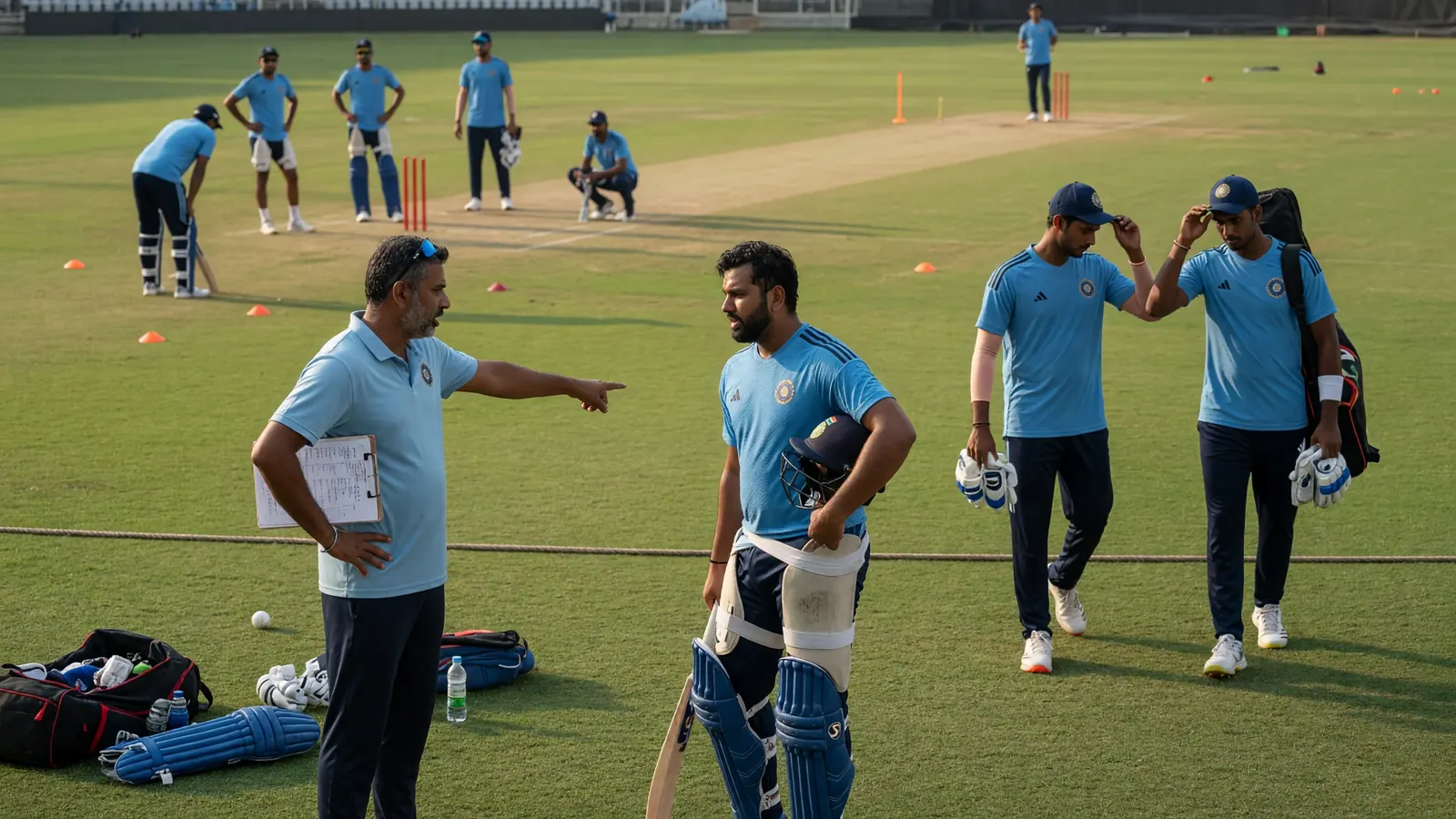
The pace attack is the most expansive department on the locked list. Mukund named Jasprit Bumrah, Mohammed Siraj, Prasidh Krishna, Harshit Rana and Gurnoor Brar, with Bumrah and Siraj marked as the leaders. Five fast-bowling seats in a 15-man squad is a clear statement: workload management and surface variety matter more to him than packing an extra specialist batter or second pure spinner.
England’s series offered a useful bowling ranking backdrop. Jofra Archer rose to third among ODI bowlers after taking five wickets against India across the series. India’s own attack will be measured against that standard through the next white-ball cycle. Mukund’s answer is depth: keep the established pair, then hold three alternate quicks who can cover new-ball, death and injury windows.
Rana and Brar are the upside names in that group for fantasy formats that reward low-ownership pacers when conditions favour bounce and seam. They are not automatic XI starters on this list, but their presence tells managers that India could rotate the third and fourth seamer seats more aggressively than the batting order. Arshdeep’s maybe tag keeps one more left-arm death option on the radar without forcing him into the firm fifteen today.
Mukund’s video did not land in a vacuum. The England ODIs reshaped the ICC tables that selectors and pundits both watch. Gill’s 188-run series haul pushed him to the brink of the batting summit. Kohli and Rohit held third and fourth. England’s Joe Root was Player of the Series after an unbeaten 249 runs and climbed four places to eighth in the batting rankings.
Those numbers matter because they freeze a snapshot of form just as the next World Cup cycle stretches out. A captaincy model that still treats Gill as a pure upside opener is behind the ranking curve; he is operating as a global top-tier ODI batter. Likewise, any blanket claim that India’s senior core is finished runs into the fact that three Indians sat inside the top five immediately after the England trip.
Iyer’s rise to 13th, combined with the T20I captaincy, also tightens the middle-order competition that Tilak and other finishers are trying to break. Fantasy sides that assumed a free middle-order carousel through 2026 now have to price the possibility that Iyer’s role stabilises rather than rotates. Mukund’s firm squad treats that stabilisation as already decided.
Firm fifteen — batters: Shubman Gill (captain), Rohit Sharma, Virat Kohli, Shreyas Iyer. Wicketkeepers: KL Rahul, Ishan Kishan. All-rounders: Hardik Pandya, Axar Patel, Washington Sundar. Specialist spinner: Kuldeep Yadav. Pacers: Jasprit Bumrah, Mohammed Siraj, Prasidh Krishna, Harshit Rana, Gurnoor Brar.
Maybe five: Yashasvi Jaiswal, Ruturaj Gaikwad, Nitish Kumar Reddy, Shivam Dube, Arshdeep Singh.
No realistic chance under Mukund’s framing includes Sanju Samson and Tilak Varma, along with other T20-weighted names such as Abhishek Sharma and Vaibhav Suryavanshi. The structure leaves little room for a pure finisher who does not keep, and little room for a second specialist spinner. It is a tournament sheet built for role clarity and injury buffers, not for maximal batting depth.
Mukund’s list should not be treated as a leaked BCCI sheet. It is still useful as a stress test for fantasy ownership. If a long-range ODI core keeps Gill, Rohit, Kohli, Iyer, Rahul, Hardik, Axar, Kuldeep, Bumrah and Siraj near the top of projected minutes, then differential value shifts toward the contested seats: the second keeper only if the Rahul-Kishan pair wobbles, the third seamer, and any maybe-band batter who earns a bilateral run.
Samson and Tilak become fade defaults under this model unless series selection proves Mukund wrong. Jaiswal and Gaikwad become conditional upside rather than season-long locks: useful when India rest a senior opener or need a left-hand powerplay spark, not automatic every-match chalk. Rana and Brar stay on the pacer watchlist whenever India rest a senior quick or play on harder surfaces. Sundar’s value rises on pitches that demand a second spin option who can bat at eight. Reddy and Dube are the all-round maybe bets if Hardik’s workload or fitness opens a lower-order bowling seat.
The cleanest short-term checklist for managers is simple. Track Gill’s rating band against Mitchell. Watch whether Rohit’s ODI minutes stay intact in the next bilateral window. Monitor whether Samson forces a keeper debate through List A and IPL form, or whether Rahul and Kishan continue to own the gloves. Track whether Tilak turns high T20 strike rates into sustained 50-over evidence. And keep Archer’s jump to third in the bowling table as a reminder that India will face attacks with genuine new-ball threat before 2027 arrives.
India’s actual 2027 ODI World Cup squad will be shaped by the bilateral ODIs still to come, Champions Trophy form if scheduled roles hold, and the domestic white-ball seasons that still feed uncapped names into the system. Mukund’s intervention does not close those races. It does set a clear benchmark against which every future omission will be judged: if Rohit remains this high in the rankings, leaving him out becomes harder to justify; if Samson and Tilak stay outside both the firm fifteen and the maybe band, their route back runs through sustained ODI opportunity rather than T20 reputation alone.
For readers following selection chatter alongside fantasy strategy, the next useful signal is not another hypothetical fifteen. It is the first official ODI squad announcement after the England series and whether Gill’s captaincy-plus-opening package stays intact in that XI. Until then, Mukund’s three-tier map — firm core, five maybes, and explicit no-chance names — is best read as a high-clarity opinion piece with roles and ranking context attached, and as one more reason to revisit long-range ODI ownership before the next white-ball window opens. More match and selection notes sit with our ongoing cricket news and editorial analysis.
Hyderabad opener Aman Rao’s Vijay Hazare double-century and Rajasthan Royals deal.
Ashwin is ruled out of MLC 2026 with a knee injury; Siddle is approved as his LAKR replacement.